

Exploring the evolution of gambling through the ages
The Origins of Gambling
The origins of gambling date back thousands of years, with evidence found in ancient civilizations such as Mesopotamia and China. Archaeological findings indicate that games of chance were played using rudimentary dice and betting systems as early as 3000 BC. These early forms of gambling were often intertwined with cultural rituals and religious practices, highlighting the significance of luck and fate in human life. Interestingly, many people still hold onto myths about gambling, believing it’s only about luck; however, Casoola casino demonstrates that skill and strategy can also play major roles in numerous games.
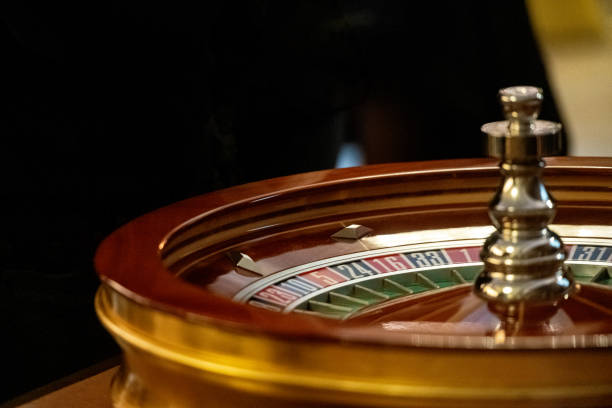
In ancient China, gambling was formally recognized and regulated, notably during the Han Dynasty. The Chinese developed sophisticated games and betting systems, some of which laid the groundwork for modern games like keno. Meanwhile, in the Roman Empire, various forms of betting were popular among both the elite and commoners. Gladiatorial games and chariot races not only entertained but also provided opportunities for wagers, showcasing the integral role of gambling in the entertainment landscape of the time.
As civilizations evolved, so did the methods and means of gambling. The introduction of playing cards in the 14th century marked a significant shift in gambling practices, allowing for new games and betting strategies. The spread of card games across Europe reflected changing social dynamics, where gambling became more accessible to broader segments of the population. This evolution continued to shape how societies viewed and engaged with gambling, making it an enduring aspect of human culture.
The Growth of Gambling in the Middle Ages
The Middle Ages witnessed the expansion of gambling activities, particularly through the establishment of formal gaming houses and gambling laws. Although gambling was often viewed with skepticism by the Church, it persisted as a popular pastime among nobility and commoners alike. The proliferation of dice games, card games, and betting on various contests demonstrated a growing appetite for chance-based entertainment. The strategic nature of these games also began to attract a more serious audience, paving the way for the emergence of gambling as a recognized industry.
During this period, various countries began to implement regulations surrounding gambling practices to curb potential abuses. For instance, England introduced laws to regulate gaming houses, ensuring fair play and protecting players from fraud. Despite these efforts, illicit gambling activities thrived, illustrating the enduring allure of betting. In Italy, the advent of lotteries provided a new means of gambling, often used to fund public projects and charities, merging social responsibility with entertainment.
The late Middle Ages laid the groundwork for the Renaissance, during which gambling underwent significant transformation. As trade routes expanded and cultural exchanges increased, gambling practices were enriched with new games and influences from different regions. The establishment of the first casino in Venice in the 17th century signified a shift towards organized gambling, combining luxury with leisure, and attracted visitors from across Europe, further embedding gambling into social life.
The Rise of Modern Gambling Practices
The 18th and 19th centuries ushered in a new era for gambling, characterized by the development of organized betting and the establishment of regulatory frameworks. The first official horse racing tracks appeared, providing a structured environment for betting and attracting vast audiences. The introduction of betting shops made gambling more accessible to the masses, breaking down social barriers and creating a vibrant betting culture. This democratization of gambling allowed more people to engage in the thrill of chance, enhancing its popularity.
With the rise of casinos in the 19th century, gambling experienced a renaissance. These establishments became luxurious venues offering a variety of games, including baccarat, poker, and roulette. The glamour associated with casinos drew the elite, creating a social scene centered around high-stakes gambling. Las Vegas emerged as a gambling capital in the 20th century, revolutionizing the gambling industry and solidifying the connection between entertainment and gaming. This period saw the introduction of slot machines, further diversifying the gambling landscape.
The advancements in technology during the late 20th century significantly impacted gambling. The internet introduced online casinos, enabling players to gamble from the comfort of their homes. The convenience and accessibility of online gambling transformed traditional practices, making it possible to play a wide array of games anytime and anywhere. This shift has not only changed the way people gamble but has also raised discussions about responsible gaming and the regulation of online platforms, highlighting the need for consumer protection in the digital age.
The Myths and Misconceptions Surrounding Gambling
Despite the rich history and evolution of gambling, numerous myths and misconceptions persist. One common belief is that success in gambling is fully determined by luck. While chance plays a significant role, many games also require skill, strategy, and knowledge. For example, poker is often viewed as a game of chance; however, expert players employ various strategies and psychological tactics to increase their odds of winning. Understanding these nuances can enhance a player’s experience and success rate, debunking the myth that gambling is purely a game of luck.
Another misconception is that gambling is solely a vice, leading to negative consequences for individuals and society. While it is true that gambling can lead to addiction for some, many individuals engage in gambling responsibly, treating it as a form of entertainment rather than a financial strategy. Education and awareness about responsible gaming practices can help combat the stigma surrounding gambling, promoting a healthier understanding of its role in society.
Furthermore, the idea that casinos are intentionally designed to make players lose is another prevalent myth. While casinos do have a house edge, their success relies on providing an enjoyable experience for patrons. The entertainment aspect of gambling is crucial; therefore, casinos strive to create environments that encourage people to return. By addressing these misconceptions, individuals can approach gambling with a clearer understanding of its complexities and engage more thoughtfully with the activity.

Casoola Casino: A Modern Gaming Experience
As gambling continues to evolve, platforms like Casoola Casino embody the modern gaming experience. With an impressive selection of over 10,000 slots and numerous live tables, Casoola caters to a diverse audience seeking engaging entertainment. This online casino prioritizes user experience by offering a user-friendly interface and 24/7 customer support, ensuring that players enjoy a seamless gambling adventure. The generous welcome bonus provides new users with an exciting opportunity to explore various games without significant financial risk.
Casoola Casino adheres to strict licensing and safety regulations, offering players peace of mind regarding the security of their personal information and transactions. By implementing advanced encryption technology and reliable payment options, players can focus on enjoying their experience without worrying about safety issues. The platform’s commitment to transparency further fosters a trustworthy environment, appealing to both novice and experienced gamblers alike.
In summary, as gambling has transformed from ancient rituals to a multi-billion-dollar industry, platforms like Casoola Casino reflect the future of online gaming. By bridging tradition with innovation, they provide a space where players can engage with a rich history while enjoying modern conveniences. Whether one is a casual player or a dedicated enthusiast, the evolution of gambling continues to offer new avenues for exploration and excitement.